

When is veneer
removal
necessary
Veneers are designed to last for many years, but over time, they may need to be replaced. This may be due to damage to the restoration, the need for treatment of the underlying tooth, changes in gum condition, or a desire to update the shape and color of the smile. Veneer removal is just as important as veneer placement. The condition of the teeth and the options for further treatment or placement of new veneers depend on how carefully the procedure is performed. That is why it is important to use a method that allows veneers to be removed as gently as possible.
At our clinic, we use the Pluser erbium laser for veneer removal. This technology targets the bonding material, making it easier to remove the veneer without intensive mechanical intervention.
A dentist may recommend
veneer removal if:
replaced with new ones
gums has changed
veneer requires treatment
appeared
the fit of the veneers
Why do we use the pluser
erbium laser
for veneer removal?
Modern technology can make veneer removal more comfortable and significantly reduce the time required for the procedure. During laser-assisted removal, the Pluser erbium laser targets the bonding material rather than the veneer itself, gradually weakening the bond. The dentist then carefully removes the veneer and cleans any remaining cement from the tooth surface.
One of the main advantages of this method is the time saved. While conventional veneer removal can take up to 8–10 hours, in many clinical cases, laser technology can reduce the procedure time to approximately 2–3 hours. The exact duration depends on the number of veneers, the bonding material used, and the specifics of the clinical situation. In addition, the laser operates without the characteristic vibration of a dental drill, making the procedure more comfortable for the patient. Whether laser technology is suitable is determined by the dentist following a diagnostic examination.
Advantages of laser veneer
removal:
How does laser veneer removal work?

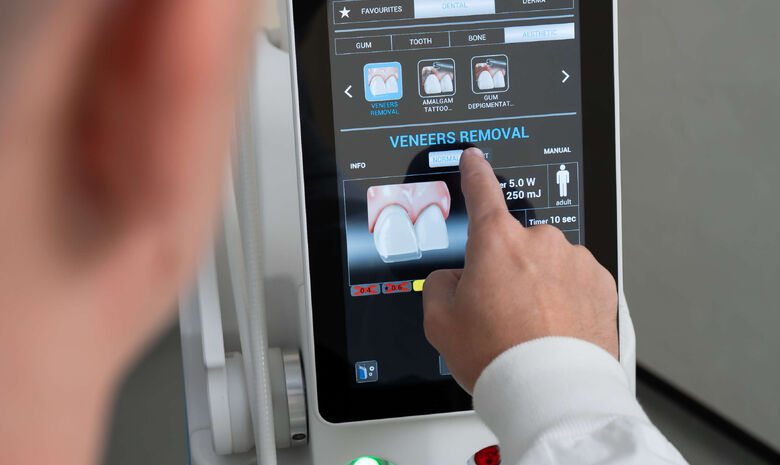
"Fast and comfortable removal of veneers and crowns while preserving as much of the natural tooth structure as possible."

Stages of laser
veneer removal:
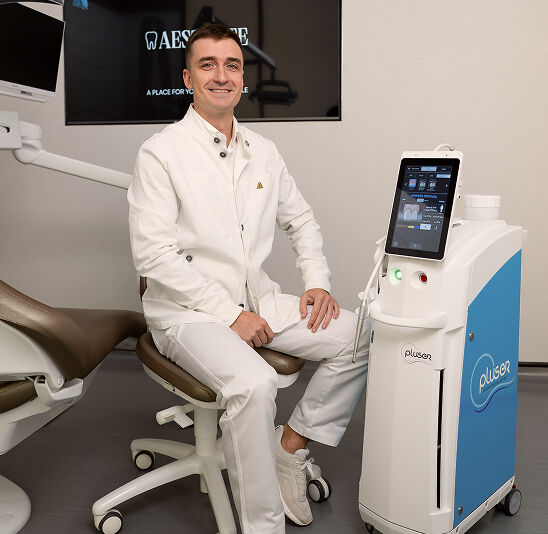
Stage One.
Diagnostics.
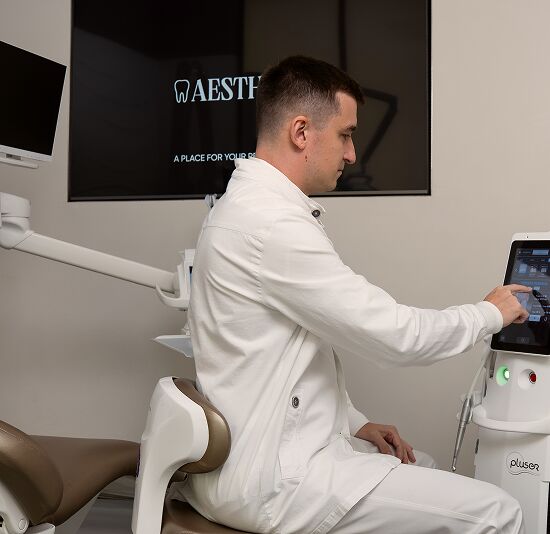
Stage Two.
VENEER REMOVAL.
What happens after veneer removal?
After the veneers have been removed, the dentist assesses the condition of the teeth and selects the most appropriate option for further treatment. Depending on the clinical situation, this may involve placing new veneers, fitting other prosthetic restorations, or carrying out any necessary dental treatment.
If the removed veneers have been preserved and can be reused, the dentist will discuss this option with the patient.
We are changing
people's lives

Konstantin Bogomolov

Yulia Snigir

Irina Khakamada

Daria Moroz

Laura Jugelia

Alexander Rogov

Elena Stepanenko

Irina Mitroshkina
How we can be
useful to you:

Veneers Without Grinding

Zoom Teeth Whitening

Correction
of bite

Pediatric
dentistry

Cavities
(Tooth Decay)

Implantation
and crowns
To make you healthy,
happy and successful!
will help you with this








Our clinic:


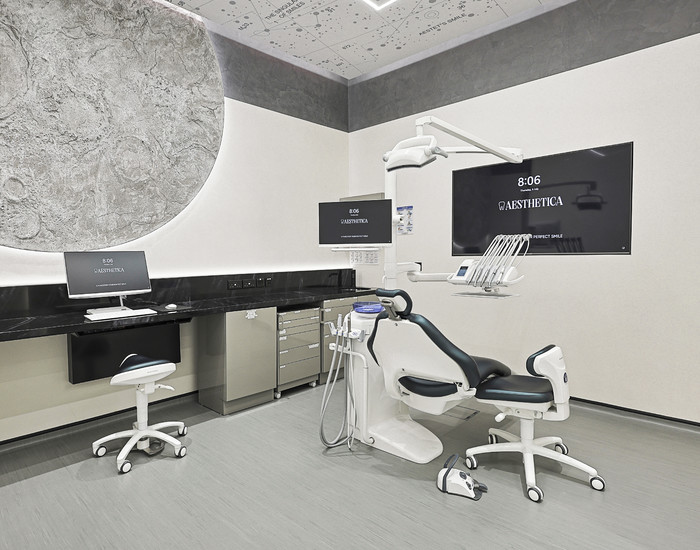
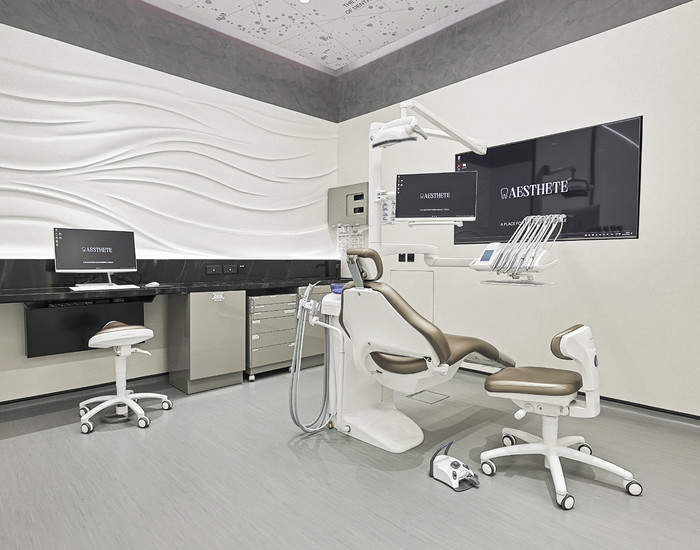
Clinic in Dubai
Resident part, Building 10